|
 Up
Up
 Expert
Interview 
(You
are here.)

  Need
to Need
to
find your
bearings?
Try
these
navigation aids:
If
this is your first
visit, please stop by:
Something
to share?
Please:
|
|
Available in Française, Español, Português, Deutsch, Россию,
中文,
日本, and others.
 ick
Engler is an author, a pilot, and craftsman. He has written over
fifty books, has taught wood technology at the University of
Cincinnati and aviation history at Sinclair University. He works
with young people to build historic aircraft and has devised several
educational STEM (Science, Technology, Engineering, and Mathematics)
programs around these adventures in pioneer aeronautics, including
our Secret of Flight school tours. These activities have
earned him several commendations from the State of Ohio and a
national award for innovation in education from the American
Association for the Advancement of Science (AAAS). ick
Engler is an author, a pilot, and craftsman. He has written over
fifty books, has taught wood technology at the University of
Cincinnati and aviation history at Sinclair University. He works
with young people to build historic aircraft and has devised several
educational STEM (Science, Technology, Engineering, and Mathematics)
programs around these adventures in pioneer aeronautics, including
our Secret of Flight school tours. These activities have
earned him several commendations from the State of Ohio and a
national award for innovation in education from the American
Association for the Advancement of Science (AAAS).
Nick has also
appeared in several documentaries on the Wright brothers and pioneer
aviation, including two-hour PBS special, The Wright Brothers: A
Journey of Invention. "I'm not an historian although I play one
on TV," he explains. "What I am is an experimental archaeologist."
Experimental archaeology is a branch of archaeology that studies
historic and prehistoric events by recreating them. "The best known
examples are scholars who 'knap' flint, exploring how primitive
peoples made stone tools. I've applied this same concept to
industrial archaeology," he says, referring to another discipline
which studies the origins of technology. "We built and flew the
Wright brothers experimental airplanes
– all the aircraft they made between 1899 and 1905
– to experience for ourselves
the scientific, engineering, and piloting problems that the Wright
brothers faced." His team of experimental archaeologists (who call
themselves the Wright Brothers Aeroplane Company) became the first
group to reproduce all of the Wright brothers experimental
aircraft since the Wrights themselves.
"We don't just study aviation history," says Nick. "We live it."

Interview Questions (so far)
|
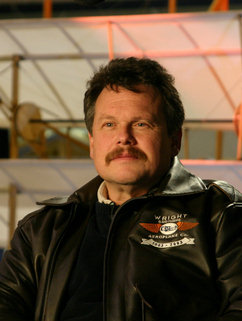
Nick Engler is a member of the Wright Brothers Aeroplane Company and
was Director and Chief Builder during the time we were building and
flying the Wright's experimental airplanes. He has committed to help
grow this page, lengthening the interview as he gets more questions.
If you have questions for him,
contact us.
|
How has the airplane
changed the world?
There must be a popular lesson plan somewhere with this question
in it because I get it all the time. And I have to say – with all
due respect to the person who wrote it – this is an awful question.
There are two reasons I say this. First, it's much too broad to have a worthwhile answer. You ask general questions, you get
general answers – better known as "fluff." The purpose of an
interview is to ask insightful questions, questions that provoke a
creative, revealing answer. To make up insightful questions, you
must have some insight yourself. That is, you have to understand
something about the subject. A much better lesson plan would have
been to tell you to read one of the many overviews of aviation
history there are on the web. That will clue you in on how the
airplane changed the world. Then ask some questions about the
effects of aviation that peak your curiosity and get
some answers that interest you. That geezer who wrote
the lesson plan – you probably wouldn't be caught dead listening to
the kind of music he likes, would you? Why parrot his questions?
The second reason is that this question makes a presumption about
technology that just isn't so. It presumes that a single technology
– airplanes – causes a change that you can define. This is called
"linear thought." You line up your causes and effects in nice, neat
little lines and say, "This is what happened." It's an absolutely
miserable and boring way to think about technology or history or
anything else. The way in which technology effects the world is much
messier, more interesting, and full of surprises. A single change
comes from a thousand different sources and it can become the source
of a thousand further changes, many of which we can't possibly
foresee. Let me give you two examples.
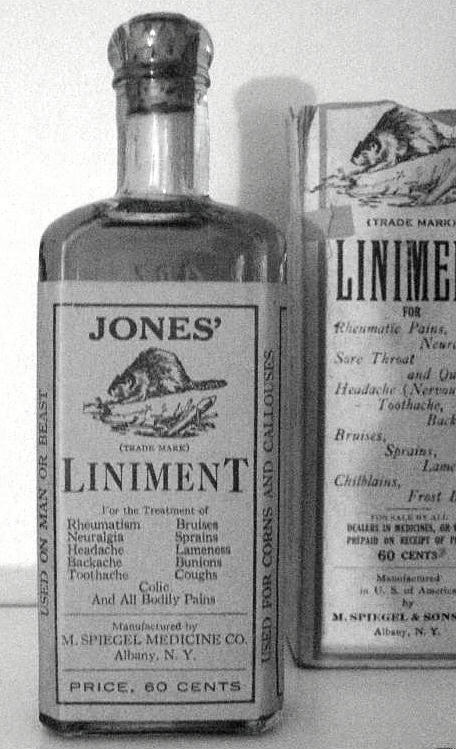
Home remedies and folk medicine made it possible for the
Wright brothers to fly. It's true. When petroleum was first
discovered in the 1850s, it was refined to make lamp oil. Gasoline
was a worthless by-product of the refining process. Snake-oil
salesmen hauled it away and passed it off as a liniment to be rubbed
on sore muscles and other afflictions. Soon it was commonly
available as such in apothecaries (early drug stores) and general
stores. In about twenty years, Nikolaus Otto and several other
inventors noticed it made a much better fuel than it did a liniment.
If he hadn't had easy access to gasoline, if the oil men had just
thrown it away, gasoline engines might have been a long time coming.
But of course they weren't; gasoline engines had been developing for
about thirty years when the Wright brothers discovered that they
needed one and a couple of gallons of gas to run it.
Airplanes have made Central America a big player in the
flower trade. Do you realize that most carnations (and many
other flowers) that are for sale in the United States are flown here
daily from growers in Central American countries? Airplanes are
commonly used to deliver flowers, seafood, transplant organs, and
many other commodities that have to get where they are going in a
hurry. So the correct answer to "How has the airplane changed the
world?" is that "It has enabled me to send my grandmother flowers
from Costa Rica." Of course, there are are a thousand other answers
that are just as correct – and just as surprising.
|
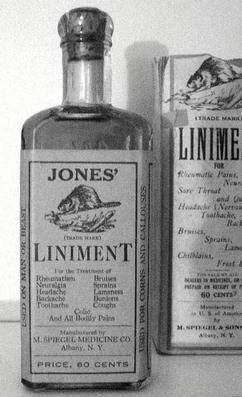
Dr. Jones' Gasoline Liniment was good for "All Bodily Pains,"
including rheumatism, bunions, and toothache, just to name a few.

The flower industry in Costa Rica employs over 6000 people – thanks
to the airplane, in part.
|
Really, How
has the airplane changed
the world?
Okay, okay. The answer that your teacher probably wants is that
there isn't a single human endeavor that hasn't been affected by
aviation. It has changed the way we travel, how we distribute food
and goods, how we respond to emergencies, how we interact with
people in other countries, how we wage war, and how we enjoy peace.
Most importantly, it has changed how we view the world – and
ultimately, ourselves. Before aviation, even the best maps showed
our earth with lines and boundaries separating the people in one
country from people in another. After aviation, men and women could
see the world from above. The artificial boundaries disappeared; the
earth looked continuous; the people felt more connected. Even
natural barriers such as oceans and mountains began to mean less
starting in 1909 when Louis Bleriot flew his little rag-and-stick
aircraft across the English channel from France to England.
Which brings me back to the point I was trying to make with my
story about flowers from Costa Rica. It's all connected; life is a
web, both frightening and wonderful in it's complexity. Yes, the
Costa Rica answer is smart-alecky (which is part of the reason I
like it), but if you're going to use it, you might also include
this: The airplane is just one thing that made it possible
for Central America to sell flowers in the United States. There were
also improvements in agriculture and botany, political developments
that reduced trade barriers and promoted a global economy, and new
methods of communications that allowed florists to manage the
world-wide distribution of flowers. It wasn't just the airplane.
Take a look at the
Timeline
I helped prepare for this section of the web site. The column titled
The Bigger Picture shows there were many other things going
on in the world while the Wright brothers worked to invent the
airplane and these things affected them. It was the same for those
events and advances that happened after the Wrights perfected a
practical flying machine. Take any one thing that you think has
changed because of the airplane and take a good look at how that
change came about. You will no doubt find that the change was caused
by a bunch of things and the airplane was just one of them.
|
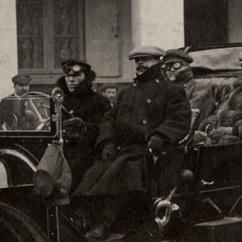
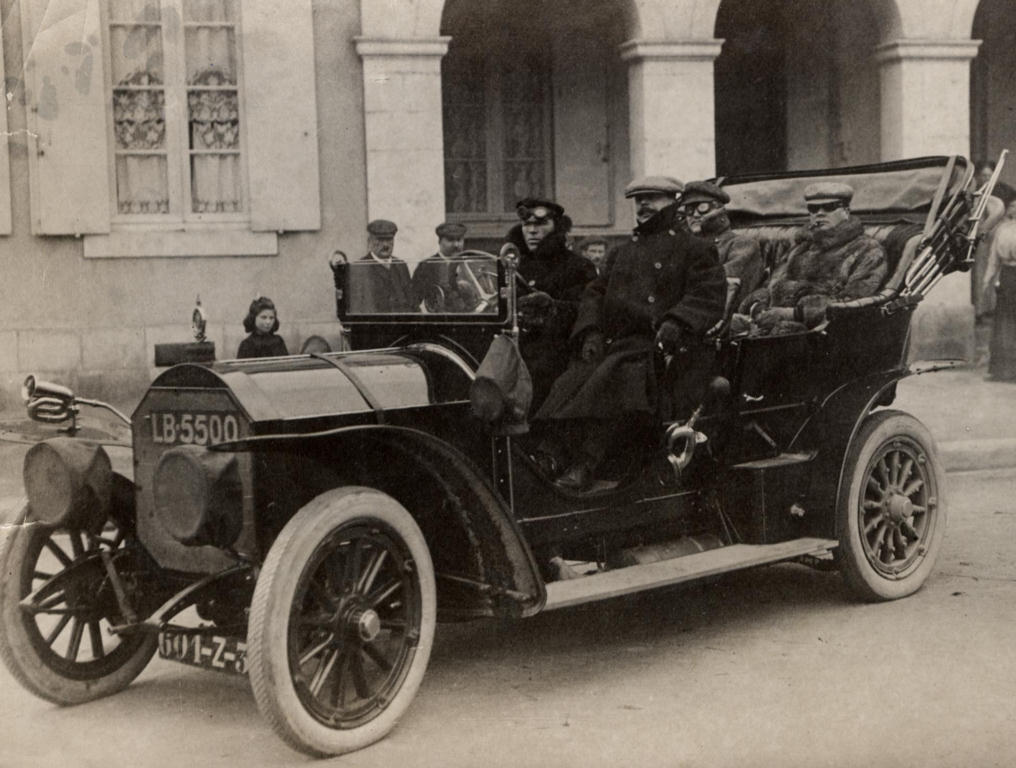
Lord Northcliffe, the owner and editor-in-chief of
The Daily Mail of London,
England, shown here in the front seat of his automobile in 1903, was
among the first to recognize the significance of aviation and the
changes it would bring. In 1908, he wrote to Winston Churchill, then
a member of Parliament, "A man with a heavier-than-air machine has
flown. It does not matter how far he has flown. He has shown what
can be done. In a year's time, mark my words, that fellow will be
flying over here from France. Britain is no longer an island.
Nothing so important had happened for a very long time." In 1909,
Louis Bleriot flew from France to England -- to capture a prize
offered by Lord Northcliffe and the
Daily Mail.
|
How
did the Wright brothers
invent the airplane?
Well, first of all, the Wright brothers never
claimed to have invented the airplane. I know that on this web site
and in many history books they are continually referred to as the
“inventors of the airplane,” but even they themselves said that they
were not. If you would ask Orville and Wilbur this question, they
would probably answer that
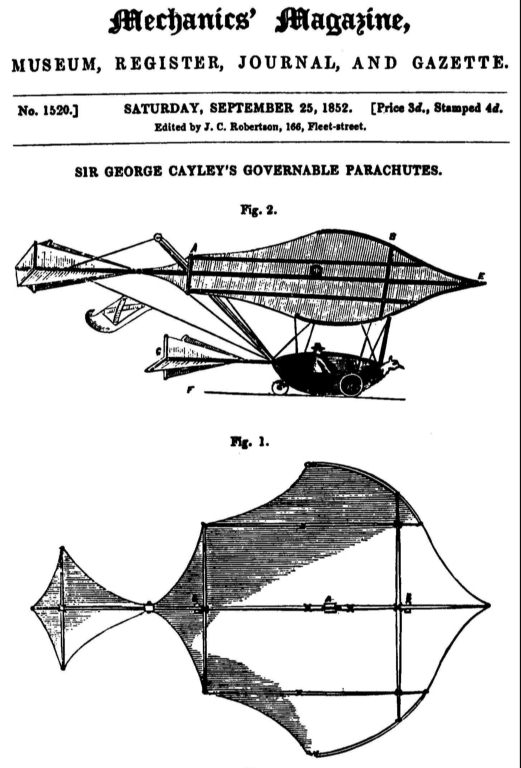
Sir George Cayley was the first person to
design a fixed-wing vehicle that would be moved through the air by
some motive force – what we now call an airplane. In fact,
the Wright brothers didn’t even claim to be the first to have flown
in an airplane. In a speech he gave before the Western Society of
Engineers in 1901, Wilbur Wright said that honor goes to
Sir Hiram
Maxim, who in 1894 made an unplanned flight of about 200 feet when
the steam-powered “captured biplane” he had built to test lifting
surfaces escaped the track that held it down. It wallowed about in a
the air with its frightened crew for a few seconds, flying two to
three feet above the ground.
The honor that the Wright brothers claimed for
themselves was that they were the first to make a sustained,
controlled, powered flight. Powered flight had been
attempted many times before and some people, like Hiram Maxim and
Clement Ader, managed to leave the ground for a few moments, but
their flights weren’t sustained. In 1896,
Samuel Langely’s unmanned
“aerodromes” made sustained flights – they stayed aloft as long as
there was fuel to run the engines – but these flights were
uncontrolled.
The Wright brothers realized that airplanes
would be dangerous and useless if they could not be controlled. In
order for aviation to be a practical means of transportation, you
have to be able to make the aircraft go where you wanted it to go.
So that’s what they invented – a control system for airplanes. The
patent that they were granted in 1906, the "grandfather" or
"pioneer" patent of the
airplane, is all about the control system. It doesn’t even mention
or show an engine.
|
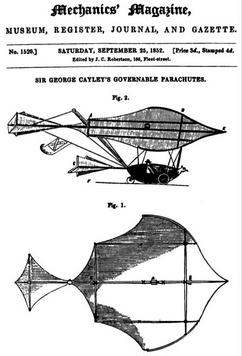
Sir George Cayley published these plans for a "governable
parachute" -- a glider, really -- in 1852. This craft was flown by
Cayley's footman in 1853. Cayley actually designed his first
fixed-wing aircraft in 1799 and built a flying model in 1804.
|
So how
did the Wright brothers
invent the airplane control
system?
“Invent” is a synonym for “solving a problem.”
Scientists and engineers such as the Wright brothers are first and
foremost problem solvers. And the first thing you do to solve
a complex problem is some research – you see what other people have
tried before you so you know what not to do. So the first thing that
the Wright brothers did was read everything they could get their
hands on about “mechanical flight.” They discovered that only birds
and insects were successful at controlled flight. A few human beings such as
Otto Lilienthal and
Octave Chanute had controlled their gliders by
shifting the body weight of the pilot, but this was hardly a
practical way of controlling and airplane. Can you imagine hanging
beneath a fighter or an airliner and trying to make it turn by
kicking left or right? So the Wrights studied birds in flight –
turkey vultures and pigeons, mostly.
What they found was that birds used
aerodynamic flight controls – they moved parts of their wings
and tail this way and that to deflect the airstream moving over
them. This caused the birds to veer up, down, left, and right. So
the next step in solving the problem was to come up with an
aerodynamic flight system for airplanes. In 1899, they performed an
experiment with a model glider flown as a kite to show they could
used a horizontal surface – an elevator – to go up and down and they
could twist or warp the wings to go right and left.
In 1900, they moved to the next part
of the problem – making a manned glider with aerodynamic controls.
This proved harder than they thought. After two years of trying,
they still hadn’t created a glider that would support their weight
in the air, let alone test their control system. So they took a
detour and studied different wing shapes in a wind tunnel to see
which would produce the most lift. The third glider that the built –
the 1902 Wright Glider – had all the lift they needed. But when they
began to test their controls, they found yet another problem. The
glider would sometimes go out of control, turning one way when they
wanted to go another. After much
experimentation,
they finally realized that they needed a vertical
control surface, a rudder. When the added a movable rudder, the
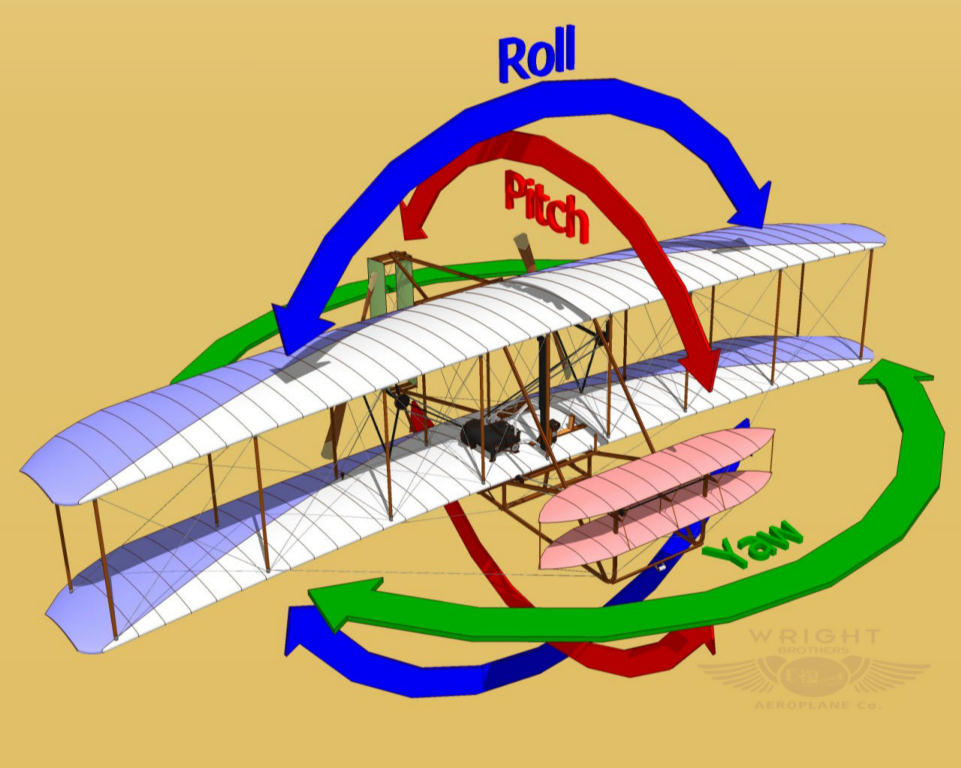
glider worked. The 1902 glider was the first machine ever with
three-axis control – an elevator to pitch the aircraft up and down,
wing-warping to roll it clockwise and counterclockwise, and a rudder
to yaw it right and left. This was their invention. The patent
drawings show their 1902 glider! The rest of the story – adding an
engine in 1903, developing a launch system and piloting skills in
1904, and refining the engine, the airplane, and their piloting
skills in 1905
– this is what they did to make their invention practical.
|

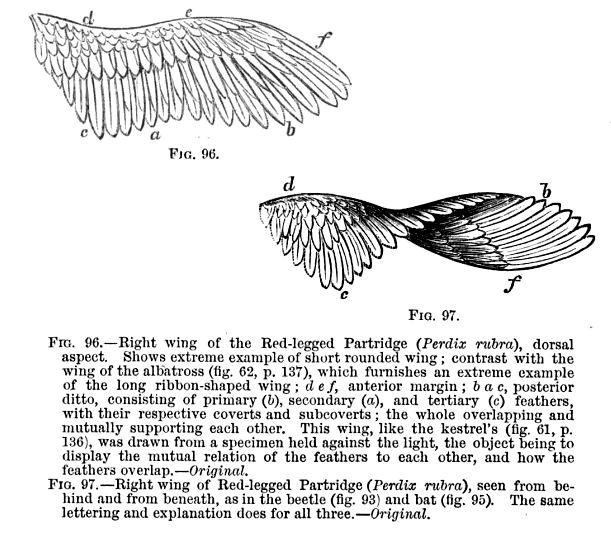
Before he conducted any experiments, Wilbur read as much as he could
find on bird flight. Among these was James Bell Pettigrew's
Animal Locomotion, or Walking ,
Swimming, and Flying. Pettigrew confirmed Wilbur's suspicions
that birds relied on aerodynamic controls in flight.
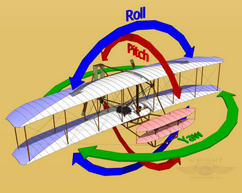
The Wright brother's solution to the "flying problem," as they
referred to it, was 3-axis aerodynamic control. Wing warping (light
blue) rolled the aircraft, the elevator (pink) pitched it up and
down, and the rudder (light green) yawed it right and left. This
gave the pilot control in all three dimensions.
|
Where would aviation be if
the Wright Brothers Had
Not invented the airplane?
It would most probably be right
where it is today. There were two world wars between then and now,
along with a host of major conflicts such as the Korean War and the
Cold War. Wars (hot or cold) spur research into technology, and
aviation would have quickly caught up to the timeline we know today
possibly as soon as the First World War.
Consider where aviation was in 1900
and what the Wright brothers contributed, then take them out of the
historical equation. Experimentation with heavier-than-aircraft took
a nose-dive in Europe after the deaths of glider pilots
Lilienthal
(1896) and
Pilcher (1899). In America, both
Langley and
Chanute had
produced successful airplanes that might have inspired further
research, but all manned airplanes up to this date had used
weight-shifting for control. Can you imagine Charles Lindbergh
steering the Spirit of St. Louis towards France by lurching from
side to side? Or Chuck Yeager breaking the sound barrier hanging
beneath the Bell X-1 rocket plane? Aerodynamic control was the
breakthrough that opened up heavier-than-air aviation as a practical
means of transportation. Only the Wright brothers were working on
this problem in the early 1900s and it became their most important
contribution – three-axis aerodynamic controls and the skills
necessary to operate and coordinate these controls.
My guess is that with
heavier-than-air aviation research stalled, lighter-than-air
aerostation would have developed more rapidly, figuring heavily in
World War I at its beginning. Rigid airships (such as those
developed by Ferdinand von Zeppelin) would have been used
extensively as heavy bombers. Germany did have a fleet of airships
that raided Poland, Belgium, and England between 1914 and 1917, but
we would have seen much more of this type of bombardment, probably
from both sides. Smaller non-rigid dirigibles (such as those
developed by
Alberto Santos Dumont) might have served as light
attack vessels and strafing platforms. But all of these would have
proved too slow, making them easy targets for each other and
ground-based artillery. Engineers would have looked for faster
alternatives and would have turned to the neglected-but-promising
technology of fixed-wing aircraft. They would have concentrated
their research efforts here and by the end of the war (1918), we’d
be seeing dogfights between airplanes with aerodynamic controls.
|
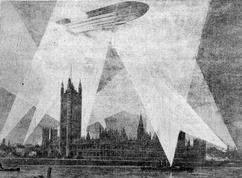
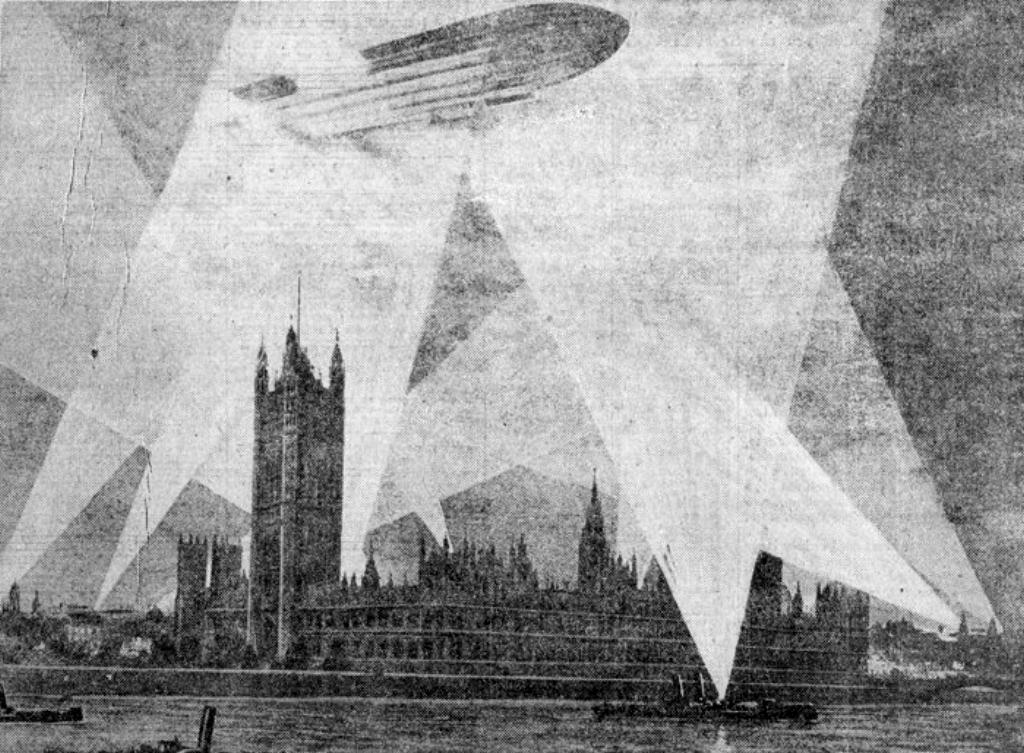
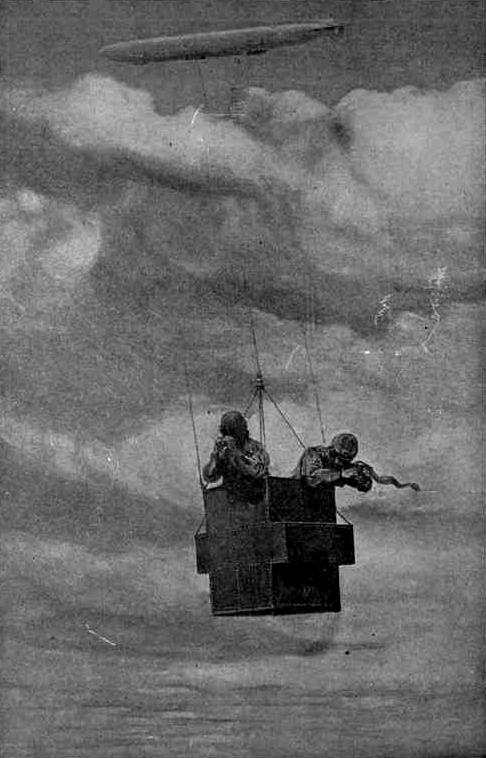
Artists depiction of a Zeppelin over the Parliament building in
London, England during a bombing raid in 1915.
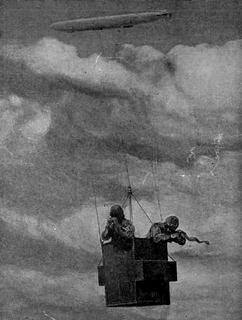
Because Zeppelins were vulnerable to anti-aircraft fire when flying
lower than 5,000 feet (1.5 kilometers), they often hid in the clouds
and lowered armored observation cars to direct their bombing run.
|
What was the Wright
Flyer made of?
For the most part, it was made of wood, cloth,
and metal.
Let’s take the wood parts first. The straight
wooden airframe parts and the propellers were made from spruce. This
wood is very light but very strong, but it doesn’t bend well. So the
bent wooden parts were made from ash. This is a slightly heavier
wood than spruce and it’s just as strong, but it’s easy to bend.
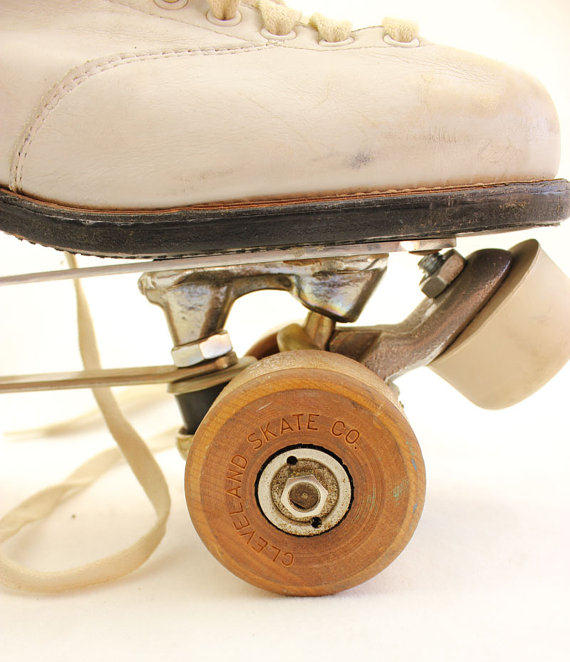
There was also a little bit of boxwood in the Flyer. Boxwood is an
extremely heavy and dense wood that was used to make roller skates
in the early 1900s. The Wrights bought boxwood roller skate wheels
and machined them to make the pulleys they needed for the Flyer
control system.
The metal was mostly soft steel, such as the
steel automobile bodies are made from. All the fittings, fasteners,
straps, gussets, and the tubing that held the propeller shafts are
made from this stuff. As you add carbon to steel, it gets harder
and stronger. The 15-gauge bicycle spoke wire that was used to ring
the Flyer was made from slightly harder (higher carbon content)
steel. So were the gears in the engine and on the ends of the
propeller shafts. When you add lots of carbon to steel, it gets hard
enough to make tools. Consequently, it’s called tool steel. The
crankshaft in the engine and the propeller shafts were made from
tool steel. The links and rollers in the engine timing chain and the
drive chains that turned the propellers were also tool steel, or
close to it. The engine block was made from an aluminum alloy to keep the
Flyer as light as possible. Most engines in 1903 were made from cast
iron, which is very heavy. Aluminum is much lighter, but not as
strong. So the Wrights used an alloy that was 92% aluminum and 8%
copper – the copper made the aluminum harder and stronger. There was
of course some copper in the magneto and electrical wiring that
generated electrical sparks in the engine, and probably some brass
in the instruments – anemometer, stopwatch, and tachometer – the
Wrights carried on board. Finally, there was a tiny bit of platinum
in the engine. The “points” of the electrical breakers in the
combustion chambers were platinum. These points created sparks to
ignite the gasoline when the breakers opened. Had they been made of
steel or copper, the electrical sparks would have burned and
corroded the surfaces. The sparks would have grown weaker. Platinum
did not corrode and the sparks remained “hot.”
The cloth that covered the wings and control
surfaces was cotton muslin woven with over 200 threads per inch. This
particular muslin was very popular in the Wrights time for making
women’s undergarments because it was so finely woven and soft to the
touch. The Wrights needed the fine weave to keep the wing covering as
airtight as possible. They probably sealed the muslin with “canvas
paint,” a solution of melted paraffin wax and gasoline. After you
paint the solution on the cloth, the gasoline evaporates leaving the
paraffin behind to seal any spaces between the cotton fibers. The
sailors and fishermen around Kitty Hawk used this to make their boat
sails airtight, and it would have been readily available to the
Wright brothers.
|
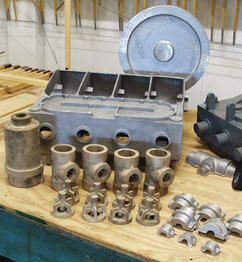
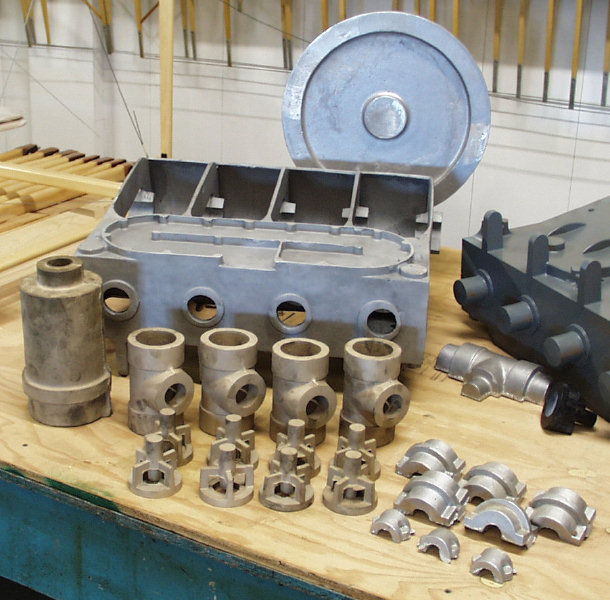
These are the castings required to make the 1903 Wright engine. The
engine block and the journals that hold the crankshaft in place are
cast from an aluminum alloy, 92% aluminum and 8% copper; the rest
are cast iron. When complete, the engine weighed 180 pounds. If all
the castings had been made from cast iron, the completed engine
would have weighed over 350 pounds.

The Wrights turned pulleys for the control wires from boxwood roller
skate wheels.
|
How
has the invention of the
airplane
changed warfare?
The simplest
answer, of course, would be for me to review all of the new and
exciting forms of carnage that the airplane has made possible in the
last century. The airplane enabled man to fly, and it wasn’t long
before we were flying with guns, bombs, chemicals, biological
agents, even propaganda leaflets meant to demoralize the enemy on
the ground: “Your momma wears combat boots…” Some of these new uses
for the airplane as a war machine were not only brutal, but also
quite clever. For example, there was no such thing as “strafing”
before airplanes – firing devastating streams of bullets at people on
the ground while traveling too fast for them to effectively defend
themselves. Nor was there much bombing before airplanes, and
we’ve done some really creative things with that concept. Not only
can we drop them from airplanes, we can put then in the noses of
missiles, drop the missiles from airplanes, and fly the missiles hundreds of
miles to a target with no need for the aircraft crew to pay a
personal visit. As for nuclear bombs, airplanes not only provide a
delivery system, they vastly increase the amount of damage inflicted
by such a bomb. Turns out that a nuclear bomb will vaporize a great
many more people along with their homes, pets, and gardens if you
detonate it a few thousand feet above the ground, right after you
push it out of an airplane.
My favorite,
however, is fire bombing. You fly dozens of airplanes over a city
like Dresden or Tokyo and drop hundreds of incendiary bombs that
start fires faster than the firemen on the ground can put them out.
As the fires grow and join together, they become a firestorm, a
phenomenon that literally eats all the oxygen out of the atmosphere.
The oxygen is depleted not only in the burning part of the city, but
in the surrounding countryside as well, as the fire sucks in more
and more air to keep itself lit. Turns out that the people and
animals in and around a firestorm are asphyxiated long before they
can burn to death.
If you want a
quick answer, I’d say that the airplane made war more democratic.
Before the airplane, most of the casualties of war were confined to
the soldiers who fought them. Now everyone who lives in and around
an important city, factory, or oil field shares that exciting
possibility of being killed or maimed. The airplane also made war
much more Biblical in its scope. We can literally rain fire from the
heavens. That used to be the exclusive privilege of the Deity – see
Genesis 19:24, Psalms 11:6, or 1Kings:38.
It’s ironic
that Wilbur and Orville both voiced opinions shortly after they had
revealed their invention that the airplane would make war
impossible. Or, at the very least, impractical. I mean, when you can
fly over the battlefield and see what the opposing army is up to,
you can counter their every move. And they can do the same to you.
So what’s the sense in doing anything? This wasn’t the Wrights’ own
thought. In 1903, a popular English novelist, George Gessing, said
in no uncertain terms, “The invention of the airplane will make war
impossible in the future.”
Gessing’s
remark was part of a wider philosophy that had quite a following in
the late nineteenth century. Jules Verne, perhaps that most
widely-read writer of that century, believed that the submarine and
other “improved war material” would make war impossible. Nikolaus
Tesla, anticipating the laser, said the “death ray” would eliminate
war. Guglielmo Marconi, inventor of the radio, said the same thing
of “the coming wireless era.” Alexander Graham Bell, inventor of the
telephone, thought a worldwide web of phone connections would
necessitate a common language which would “join all the people of
the Earth into one brotherhood.” And Alfred Nobel, the inventor of
dynamite, said his invention would “sooner lead to peace than a
thousand conflicts.”
The twentieth
century proved this philosophy to be woefully naïve. New
technologies did little to abate war; some – like the airplane –
simply made war more terrible. A twenty-first century military
historian, Martin van Creveld, hit closer to the mark in his article
“War and Technology” when he wrote, “…without technology, there
would probably have been no war. After all, without technology, if
only in the form of sticks and stones, man’s ability to kill his own
kind is extremely limited.” It was a bitter pill to swallow for many
pioneer aviators who had such high hopes for aviation and the good
it could do.
Alberto Santos-Dumont, the first man to fly in Europe,
sank into a deep despair when he saw the purposes to which the
airplane was put in World War I and eventually committed suicide.
But let’s not
end this answer on such a depressing note. In one remote and
unlikely way, those nineteenth century inventor-philosophers may
have been on to something.
Man not only
took guns and bombs into the air. He also took cameras. Aeronautics
and its promising offspring, astronautics, gave humanity its first
look at the earth from high above, a higher and broader view than
any mountaintop could afford. And what these views collectively
showed was just this: There were no borders. They were imaginary and
arbitrary. This had a profound psychological effect on a species who
for thousands of years had been staring at and steering by maps with
bold important lines drawn across the landscape separating our stuff
from their stuff. The photographic evidence seemed to suggest it was
all just stuff.
|
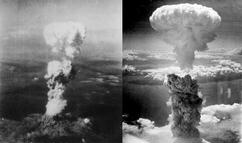
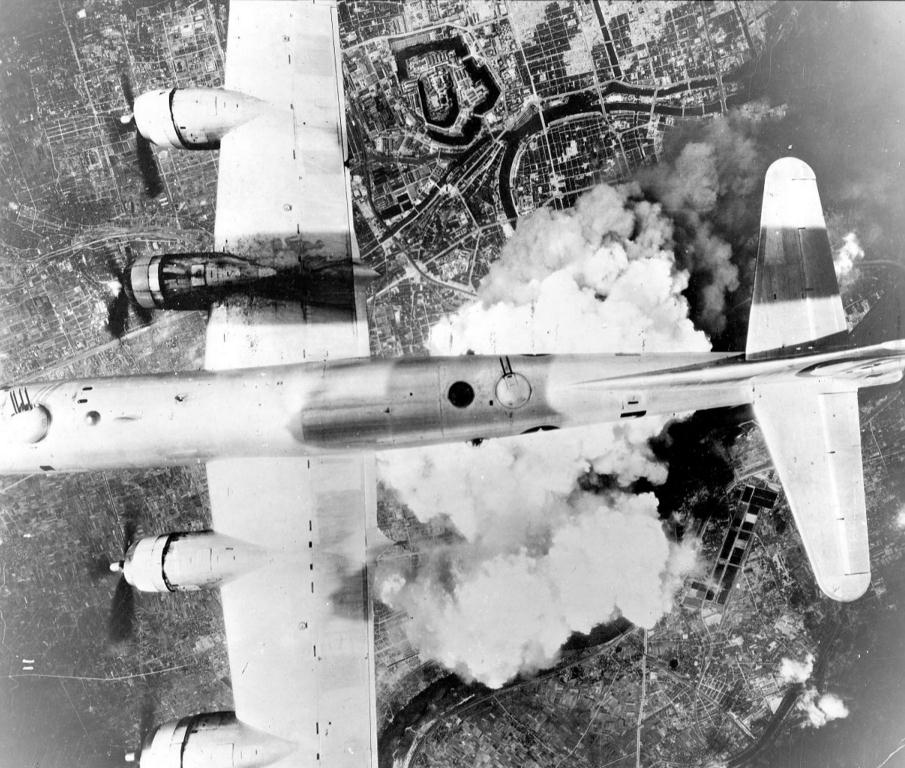
Only two nuclear bombs have ever been used in warfare. They were
dropped on Hiroshima (left) and Nagasaki (right), two Japanese
cities. Each were dropped from B-29 Superfortress aircraft.
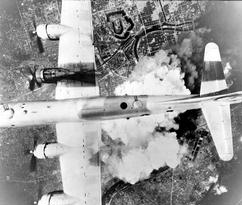
B-29s were also used to firebomb Tokyo and 66 additional cities in
Japan. Here a B-29 drops incendiary bombs on Osaka. A single
firebombing campaign over Tokyo, Operation Meetinghouse, burned 16
square miles (41 square kilometers), destroyed 267,000 buildings,
and killed between 80,000 and 100,000 people. It was the deadliest
bombing raid ever staged -- deadlier than the nuclear bombs dropped
on Hiroshima and Nagasaki.
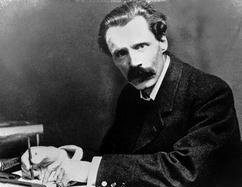
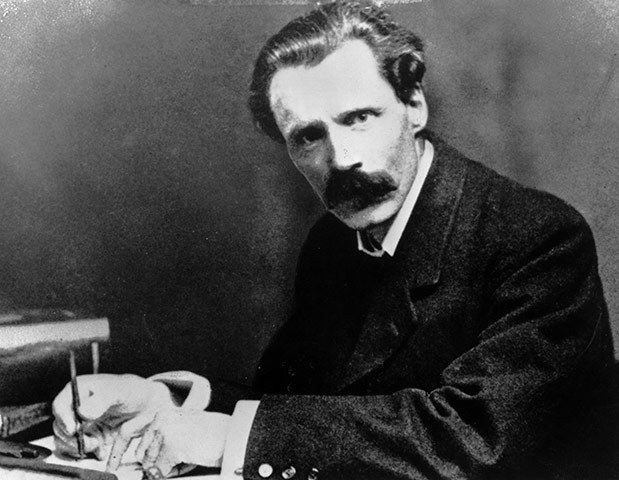
Victorian novelist George Gessing.
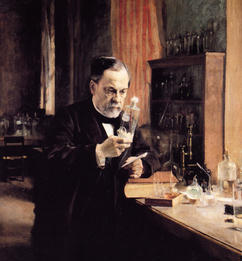
Alfred Nobel in his laboratory
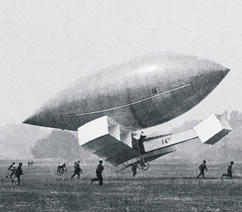
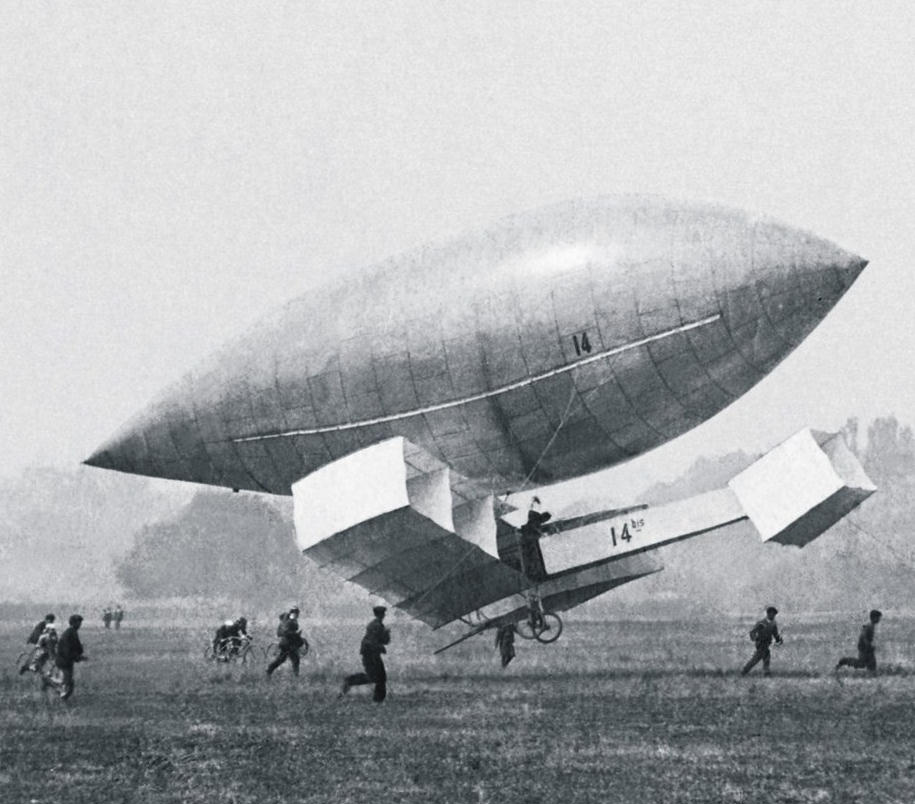
Alberto Santos-Dumont tests the controls of his first aircraft, the
14-Bis, in Paris in 1906. The airplane was suspended from
Santos-Dumont's Airship No. 14..
|
|
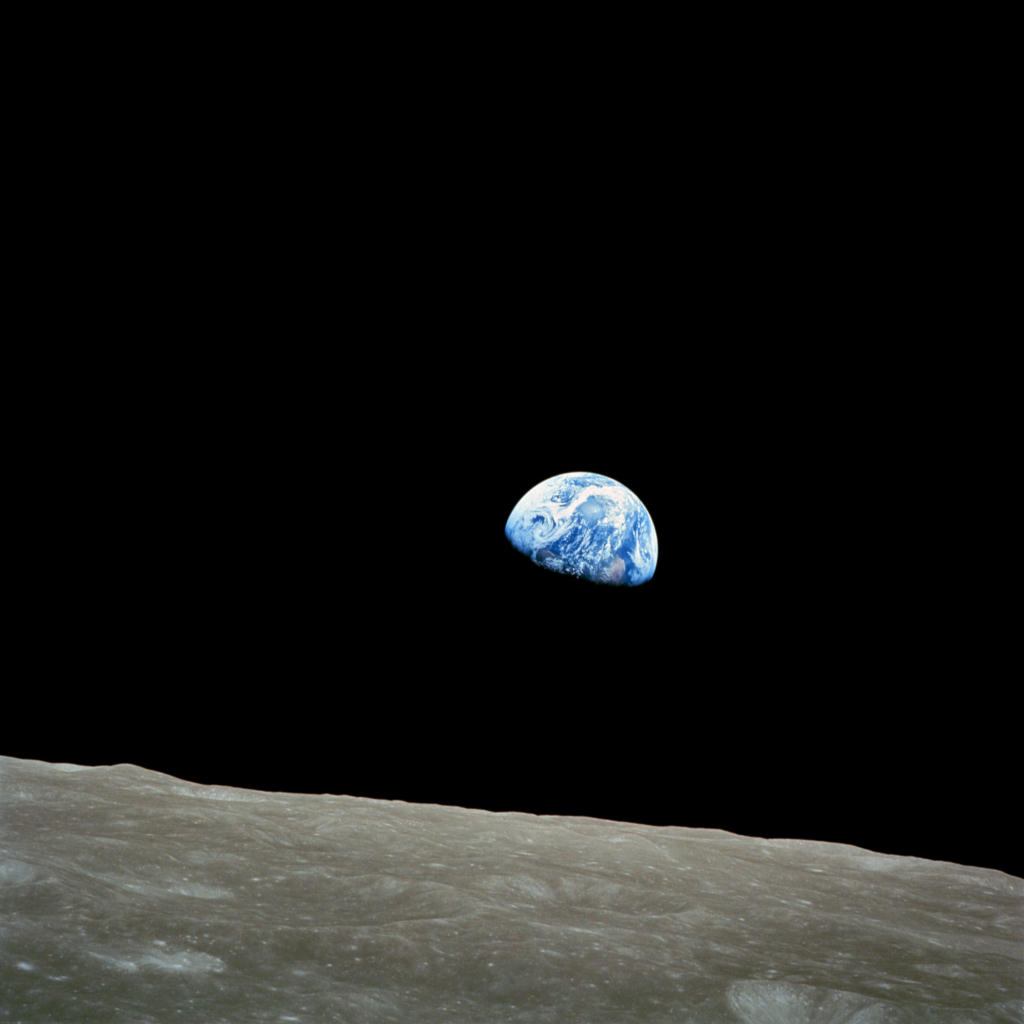
At no time was
the shock therapy of these “views from above” more effective than on
December 24, 1968 when Apollo 8 rounded the dark side of the moon
and astronaut William Anders snapped a photograph that would later
be called “Earthrise.” The earth hangs above the lunar landscape, a
quarter million miles away. Not only are there no borders or
boundaries, there is no evidence of mankind or any of his works. All
of us – all three billion souls at that time – fade into a brilliant
blue insignificance. The message was crystal clear. The earth is
nothing more than a spaceship, slightly larger than Apollo 8, but a
spaceship just the same and just as fragile. As any astronaut knows,
in order for a spaceship to carry its passengers safely, they need
to get along. I’m a pilot and the same thing holds for airplanes.
First thing on the checklist: Get along. When your passengers are
shooting at each other, they tend to put holes in the airplane.
Just when the
psychological effects of this photo were beginning to settle in to
our collective conscience, there came another. On July 6, 1990 the
space probe Voyager I swung by Saturn and pointed its camera back
towards earth, almost 4 billion miles away. Because the earth
appeared so close to the sun from this vantage, there is a lens
flare as the sunlight breaks into separate beams. But the earth is
still visible. Just. It is less than a single pixel in the midst of
a sunbeam. The digital photo was dubbed the “Pale Blue Dot” and it
too conveys a clear message. Not only is the earth a spaceship, it’s
a very, very tiny spaceship. There were about five and a half
billion souls on Earth when the photo was taken and you can see us
all for exactly who we were and still are: Interdependent. Come a
little closer – close enough to read any one of a dozen headlines in
any of today’s newspapers – and you can see us a little clearer:
Critically interdependent with massively outsized egos.
Two world wars
engulfed this pale blue dot in the twentieth century; since then we
have managed to limit our warfare to “regional conflicts” for about
seventy years running. And we have bound the 7,083,766,731 (as of
this writing) astronauts who ride our spaceship a little closer
together with successive waves of commerce, environmentalism, and
viral videos. It’s not great, but it is progress. In this way, I’d
like to think that one of the many, many effects the airplane has
had on warfare is less of it.
And that, I
think, is the best answer.
|

Earthrise, taken from the Apollo 8 spacecraft as it orbited the
moon.

The Pale Blue Dot, taken from Voyager 1 in the vicinity of Saturn,
3.7 billion miles (6 billion kilometers) from Earth.
|
How
many
unsuccessful
flights did
the Wright
brothers
make before
they
made their
first
successful
flight?
Because of the way in which you have phrased your question, there
is no correct answer. I could reply that the Wrights made almost
2200 flights before their first successful powered flights on
December 17, 1903, but many of those were highly successful gliding
flights. Even those in which the glider performed poorly added to
the store of aeronautical knowledge they were gathering. I could
also say the the Wrights made precisely one unsuccessful
attempt at powered flight on December 14, 1903 before ultimate
success three days later. But that too is misleading. It gives you
the impression that it took just two tries to get the airplane into
the air and says nothing of the 2200 glider flights during which the
brothers gleaned the skills and knowledge they needed to make a
successful powered flight.
The truth is, the Wrights did not persist in
spite of failure. They made thousands of test flights over a
seven-year period during which they developed the airplane from a
primitive glider to a practical form of transportation. Some of
these flights were highly successful; others ended in near tragedy.
But each test flight, even those that resulted in a crash,
contributed knowledge and experience toward the achievement of their
ultimate goal.
Actually, the Wrights had two goals.
Between 1899 and 1905, the Wright brothers ran a research and
development program to (1) create a practical flying machine and (2)
develop the skills needed to navigate the machine through the air.
Towards these ends, they devised an ingenious "test pilot" program
to minimize risk while developing their airplane and their flying
skills. This same approach is still used by NASA, the United States
military, commercial airplane manufacturers, and others to develop
new aircraft and the techniques necessary to operate them.
Between 1899 and 1902, the Wright were
primarily concerned with creating a machine that could sustain
flight while carrying the weight of a pilot. After two false starts
(the
1900 and
1901 gliders) and a little over 50 test flights, they finally
achieved a capable airplane with their
1902 Wright Glider. They spent September and October of 1902 in
Kitty Hawk making over 1000 gliding flights and honing their
piloting skills.
They returned to Kitty Hawk a year later with a
powered version of their 1902 glider, the
1903 Wright Flyer I. While they were assembling it at their
camp, they made another 1100 flights in the 1902 glider, continuing
to develop their flying techniques. They made one failed attempt at
powered flight on December 14, 1903, pitching the nose up at a steep
angle on take off. This caused the Flyer to lose speed, stall and
crash. The Wrights spent three days analyzing the attempted flight,
using all of the information they had gleaned on their previous 2200
glider flights. On December 17 they tried again, raising the nose
just a few degrees on take off. This small-but-important adjustment
in piloting technique worked, and they were able to make four
successful flights before a gust of wind picked up the Flyer and
dashed it to pieces.
However, the 1903 flights were much less
important than history would have us believe. Had the Wrights
stopped there, they never would have earned the reputation as the
inventors of the airplane. The December 17 flights were just "proof
of concept" experiments; they did not result in a practical flying
machine. The Wrights continued their research through 1904 and 1905,
refining the design for their aircraft and developing the skills
they needed to navigate and land safely. By October 5, 1905, they
were satisfied that they had developed
a practical airplane and that they had mastered the skills need
to fly it. They set out to sell both the airplane and their
knowledge of piloting techniques.
The truth of the matter is that abject failure
– the sort of failure that leaves you hopeless – was rare in the
Wright's experience. They came close to it at the end of their 1901
flying experiments when on the way home from Kitty Hawk Wilbur told
Orville, "I
doubt man will fly in our lifetime, not within a thousand years."
But back home in Dayton, Ohio, there was a waiting invitation to
speak to the Western Society of Engineers. Somebody apparently
thought their work was worthwhile and that buoyed their spirits.
Before long they were back at it, testing wing shapes in a wind
tunnel.
Every test flight and wind tunnel experiment
taught them something valuable, although oftentimes the results were
unexpected or disappointing. They were often discouraged. The time
required to achieve their goals – almost seven years – was much
longer than they had at first supposed. The "flying problem," as
they called it, was more complex than they had first imagined. But
it was not a lack of success that discouraged them. It was the
difficulty of the work and the vast amounts of time and energy
necessary to do it that required greater-than-average endurance,
courage and confidence.
|
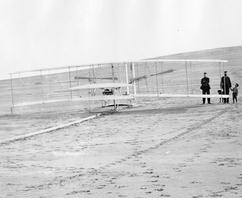
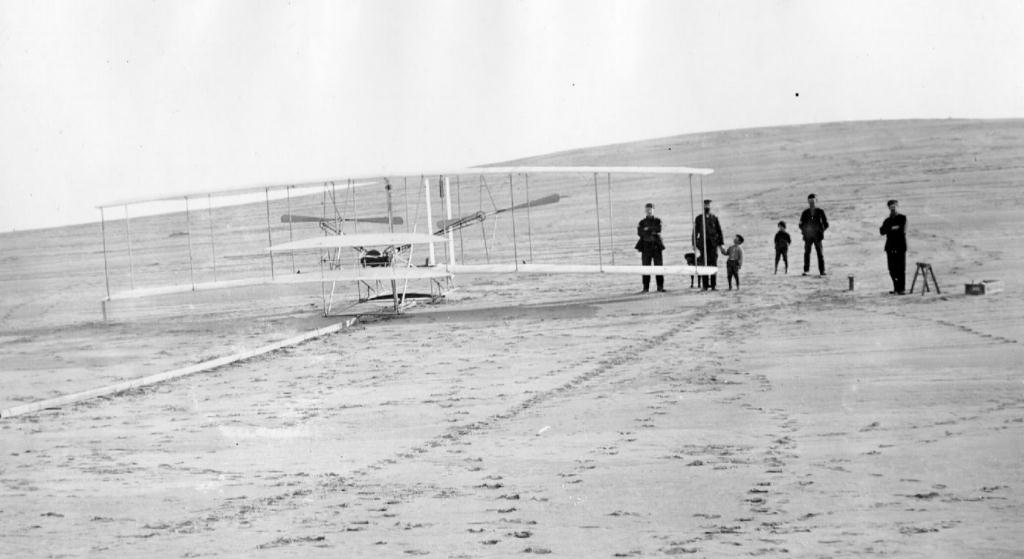
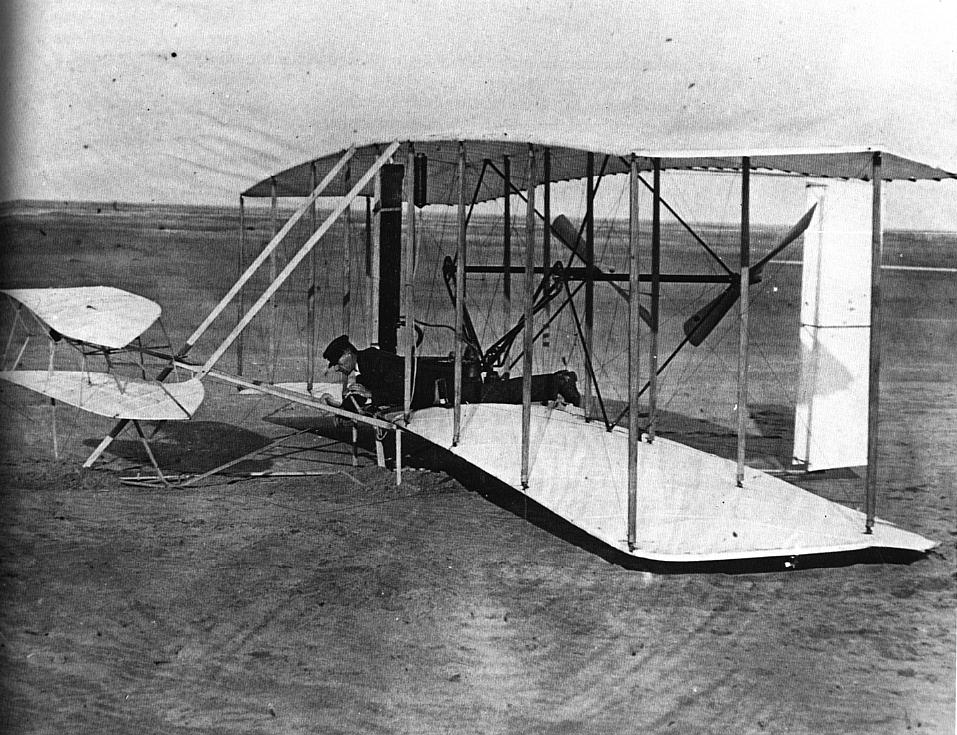
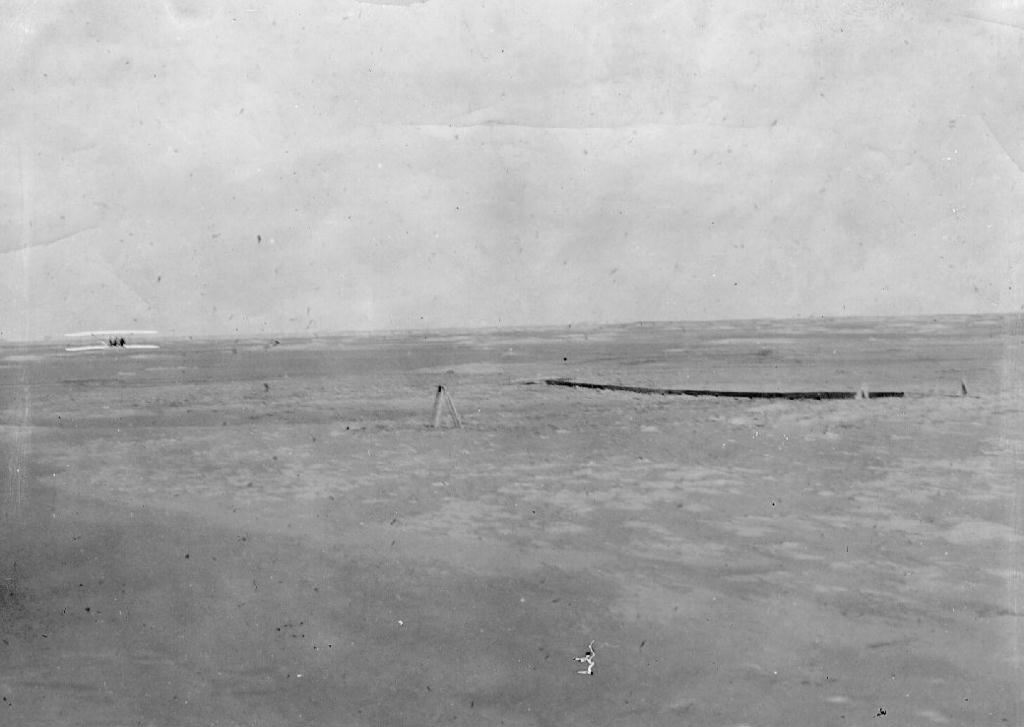
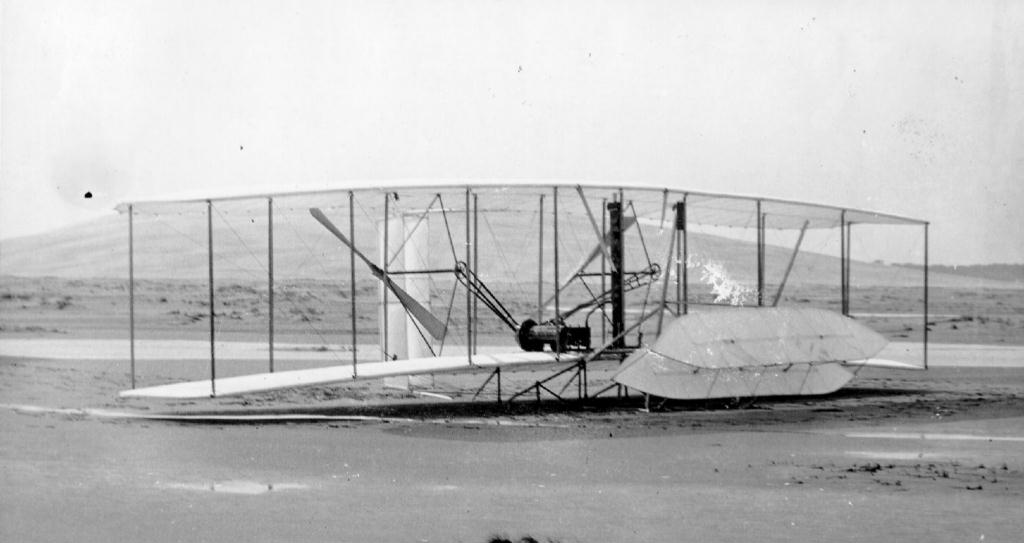
The Wright brothers made their first attempt at powered flight on
December 14, 1903. They set up the Flyer at the base of a dune with
the launch rail running downhill.
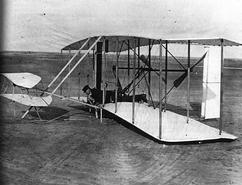
Wilbur, who was in the cockpit on December 14, pulled back too hard
on the elevator control as the Flyer reached the end of the launch
rail. The nose of the aircraft pitched up and the forward elevator
acted like a brake, quickly reducing speed. The aircraft stalled,
came down hard on its nose and cracked the forward skid and the
elevator support.
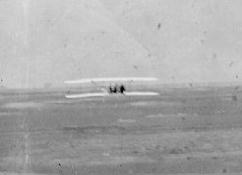
Three days later, on December 17, 1903, the Flyer had been repaired
and the Wrights once again attempted to fly. The made four
successful flights, the last one lasting 59 seconds and traveling
852 feet.
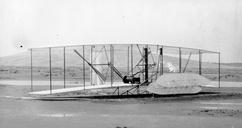
Although successful, the December 17 flights were not without
mishap. After the fourth flight, Wilbur cracked another skid. The
damage was minor and the Wrights thought they could repair it and
keep on flying. However, shortly after they carried the Flyer back
to the launch rail, a gust of wind picked it up and rolled it over
several times doing a great deal more damage. The Wrights decided to
pack it up and go home to Dayton, Ohio.
|
After their second
glider failed, the
Wright brothers almost
gave up. What
made them keep working?
Three
fortunate events, each one leading to another. As you know (if you
read the previous answer), the
Wrights were thoroughly discouraged by the 1901 experiments in Kitty
Hawk. On the train back to Dayton, Wilbur told Orville that he
didn’t think people would fly in their lifetimes, maybe “not in a
thousand years.”
First event:
Within a week of returning home, there was an invitation from Will’s
friend
Octave Chanute to give a speech to the Western Society of
Engineers, one of the most prestigious scientific organizations in
America at the time. Will had just published his first scientific
article and he was proud of it. So he was flattered by the
invitation, but at the same time he wondered whether he really had
anything worthwhile to say. From his point of view, up to this time
his experiments in Kitty Hawk had been disasters. He hadn’t
discovered anything new; if anything, he was more mixed up now than
when he started. The only thing that could be counted as progress
was his suspicion that Lilienthal’s lift tables – which he used to
design the Wright's first two gliders – were wrong. So he
decided to describe his and his brother’s experiments, and then list
Lilienthal’s deficiencies as one of their conclusions.
Second event:
It bothered Wilbur that he had no hard scientific data to prove
Lilienthal was wrong, just a few measurements that he had made on
the dunes while gliding. Before Wilbur left to give his speech, he
and Orville did some quick investigations with a cardboard wind
tunnel. These seemed to indicate that Wilbur would be correct in
saying that Lilienthal was wrong, but the results weren’t
conclusive. So when Wilbur got back, he and Orville spent months
designing a wind tunnel and balances to measure and compare the lift
and drag produced by an airfoil. Then they spent several more months
testing over two hundred different wing shapes. The results
surprised and horrified Wilbur – Lilienthal had been right.
Fortunately the speech he gave had not yet been published, so Wilbur
was able to edit it and soften what he had to say about Lilienthal
before it went to press. (To this day, we don’t know what Wilbur
said about Lilienthal when he gave the speech.)
The wind
tunnel results (and the thinking they had to do to design the wind
tunnel apparatus) also left Wilbur and Orville with a much better
understanding of aeronautical engineering. Orville would later say
that the wind tunnel experience transformed them into true
scientists. Now they not only knew that Lilienthal had been right,
they also knew what they had done wrong. At the conclusion of their
wind tunnel experiments, they had enough data to pick an efficient
wing shape and calculate how big the wing should be to support their
weight in gliding flight. In other words, they had the ability to
design an aircraft whose performance could be predicted
mathematically. This was a huge step forward in aeronautics. But
they still weren’t quite ready to commit to continuing their
experiments.
1902 was the beginning of the “Keiter Affair” in the Church of the
United Brethren in Christ (UBC), where Wilbur and Orville’s father
Milton Wright served as a bishop. Milton had always been active and
influential in his church and occasionally dived head first into
political battles. During these battles, Wilbur often served as his
father’s wing man, occasionally writing papers or giving testimony
to support his father’s position. Milliard F. Keiter had been the
UBC’s publishing agent since1893. In 1901 an audit found $6800
missing from the publishing account. (This was equivalent to about
$150,000 today.) Milton disagreed with other church officials as how
to prosecute Keiter. Most wanted to simply dismiss him, but Milton
pushed for a full-blown criminal prosecution and enlisted Wilbur to
investigate Keiter. Wilbur was torn between helping his father or
building another airplane.
Which brings
us to the third event: In April of 1902 Octave Chanute asked Wilbur
to test a glider of Chanute’s own design for him when Will and his
brother next visited Kitty Hawk. Wilbur declined and said that he
and Orville hadn’t yet decided what they were going to do for the
1902 flying season. Chanute sort of ignored that last part and said
he would hire another guy –
Augustus Herring – to fly his glider.
Chanute also asked
George Spratt to meet them in Kitty Hawk. (Spratt
had visited the Wrights in Kitty Hawk in 1901 and they had become
good friends.) In effect, what Chanute did was to organize a party
in Kitty Hawk and expect the Wrights to host it. In early July
Wilbur finally committed to returning to Kitty Hawk, and then he and
Orville scrambled to build a new glider based on their wind tunnel
data. By August, they were back on the dunes and found their new
glider flew beautifully.
With the lift
problem solved, they were finally able to attack the control issues
they had wanted to address back in 1900. They quickly cracked the
control problem and by October 8 they were testing a glider with
three-axis aerodynamic controls (just as Chanute, Herring, and
Spratt arrived). The 1902 Wright Glider became the basis for their
patent and the rest, as you know, is history.
|
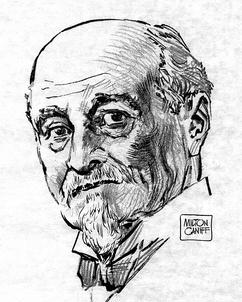
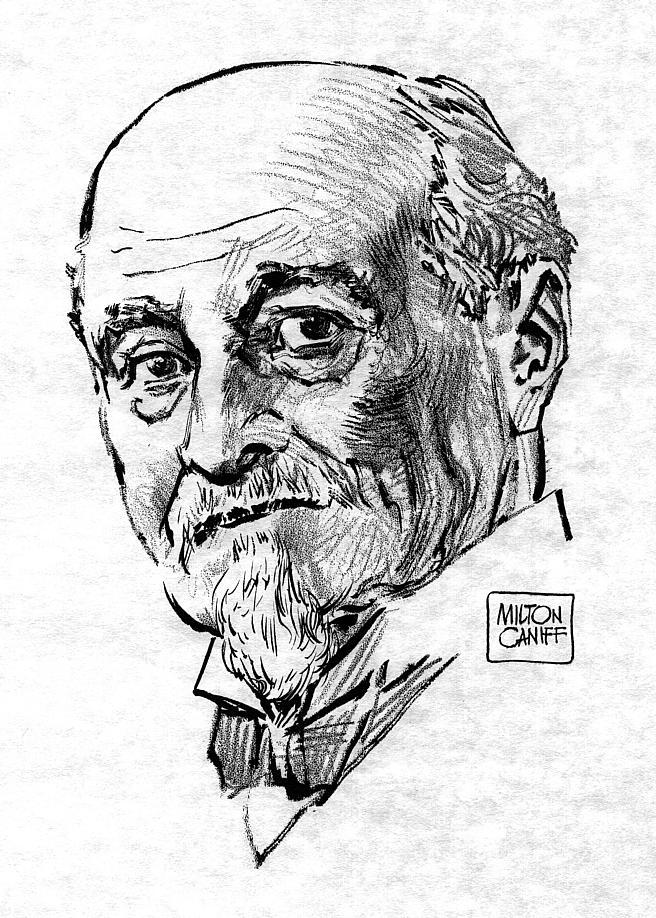
Octave Chanute was an accomplished engineer and one of the most
active experimental scientists in aviation at the turn of the
twentieth century.
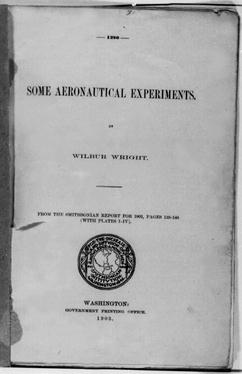
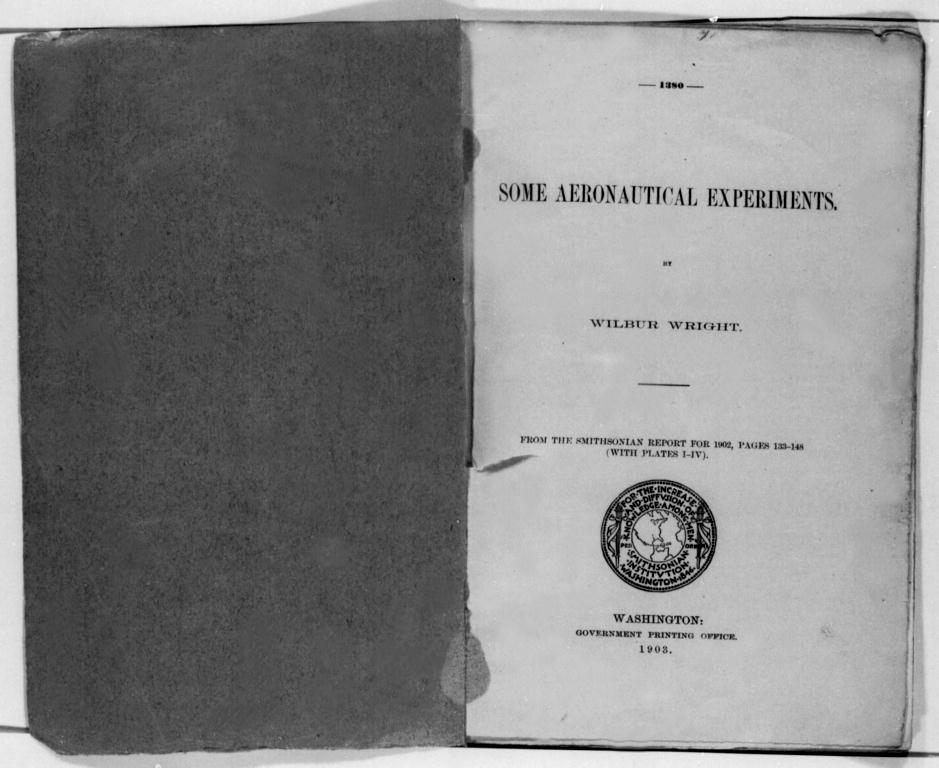
The opening page to a transcript of "Some Aeronautical Experiments,"
the speech Wilbur gave to the Western Society of Engineers in 1901.

One the the wind tunnel balances Wilbur and Orville designed to
study the lift and drag produced by different wing shapes.
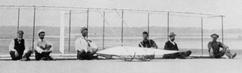
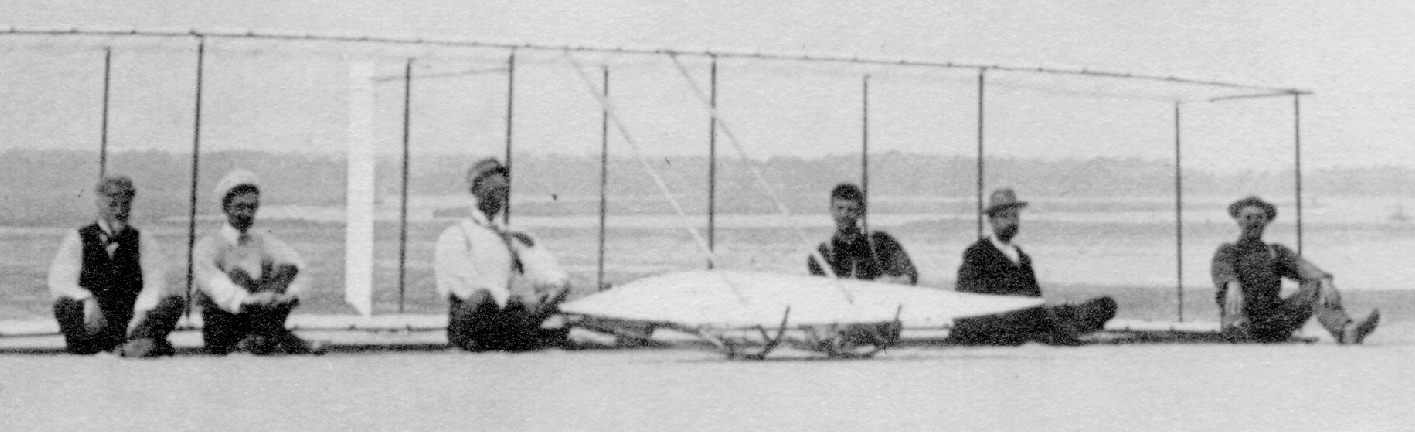
From left to right seated in front of the 1902 Wright Glider at
Kitty Hawk: Octave Chanute, Orville Wright, Wilbur Wright, Augustus
Herring, Dan Tate, and George Spratt.
|
Why did
Orville Wright stop
flying in 1918?
It was most probably a combination of factors. Perhaps what
weighed most heavily on Orville's mind was that he was tempting
fate. Orville had survived dozens of crashes, beginning in 1902, any
one of which could have been fatal. He was the pilot during the
first fatal airplane accident in 1908 in which his passenger, Lt.
Thomas Selfridge, had died. Many of the members of the Wright
Company's exhibition team, people he taught to fly, died in crashes.
All throughout the pioneer aviation era, Orville read or heard about
pioneer aviators who died in horrific crashes. In some cases, he
helped investigate those crashes and was intimately aware of the
gruesome details. Any sane pilot left standing at the end of the
pioneer aviation era would feel thankful that he had survived --
perhaps Orville simply decided to quit while he was ahead.
Orville was also unfamiliar (and perhaps uncomfortable) with
the stick-and-rudder controls that became the standard for airplanes
as the pioneer aviation era progressed. Very early in their
aeronautical research, he and Wilbur had bad experiences when they
attempted to fly with foot controls. Their first two gliders (1900
and 1901) had kickbars that the Wrights used to control wing-warping
and these proved more trouble than they were worth. After 1901, the
Wrights rigidly avoided putting foot controls in their aircraft.
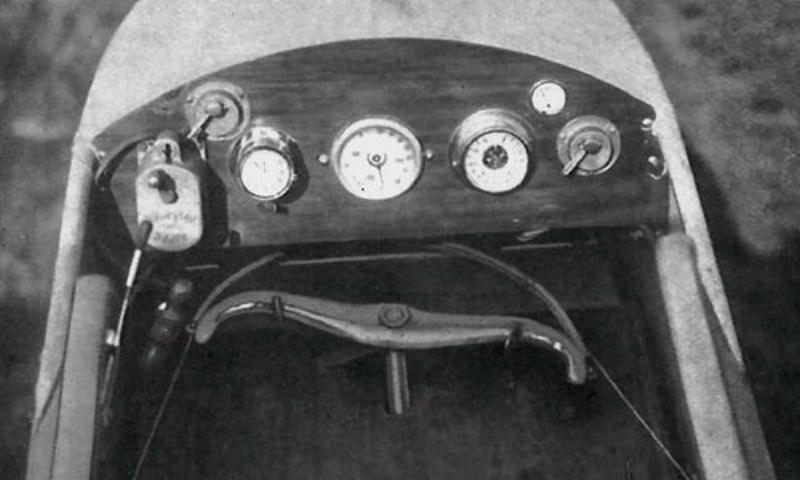
The earliest stick-and-rudder control systems used a kickbar to
control the rudder. Orville may have been uncomfortable with rudder
kickbars and foot pedals because he associated them with past
failures or because of a mental block he had developed against
flying with his feet. Whatever the reason, Orville never bothered to
learn to fly with what we now consider standard controls.
Finally, by 1918 Orville was uncomfortable in airplanes, period.
The injuries he suffered in his 1908 crash never fully healed and
his injured back was a constant source of discomfort. He had the
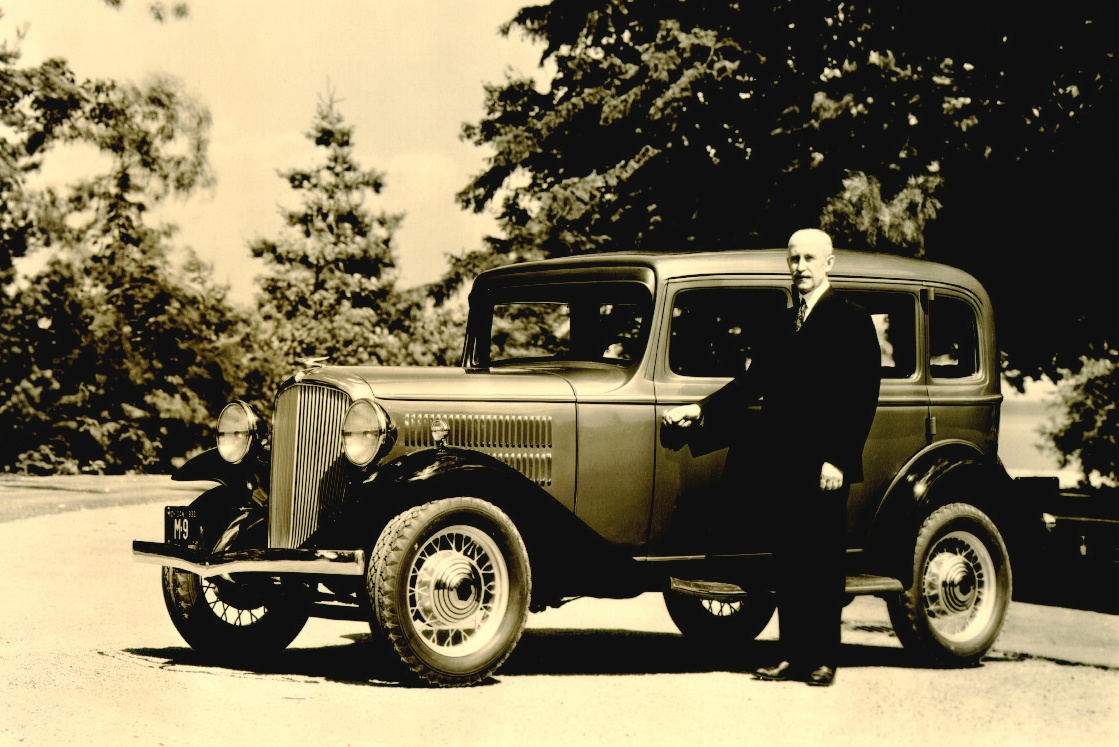
suspension systems in his automobiles adjusted or "reinforced"
because he was in so much pain when he drove on bumpy roads. Flying
a small aircraft in turbulent air was probably torture for him.
Later in life he said as much, admitting that that travel by air was
especially painful.
|
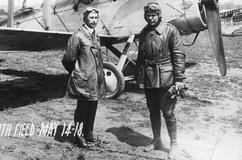
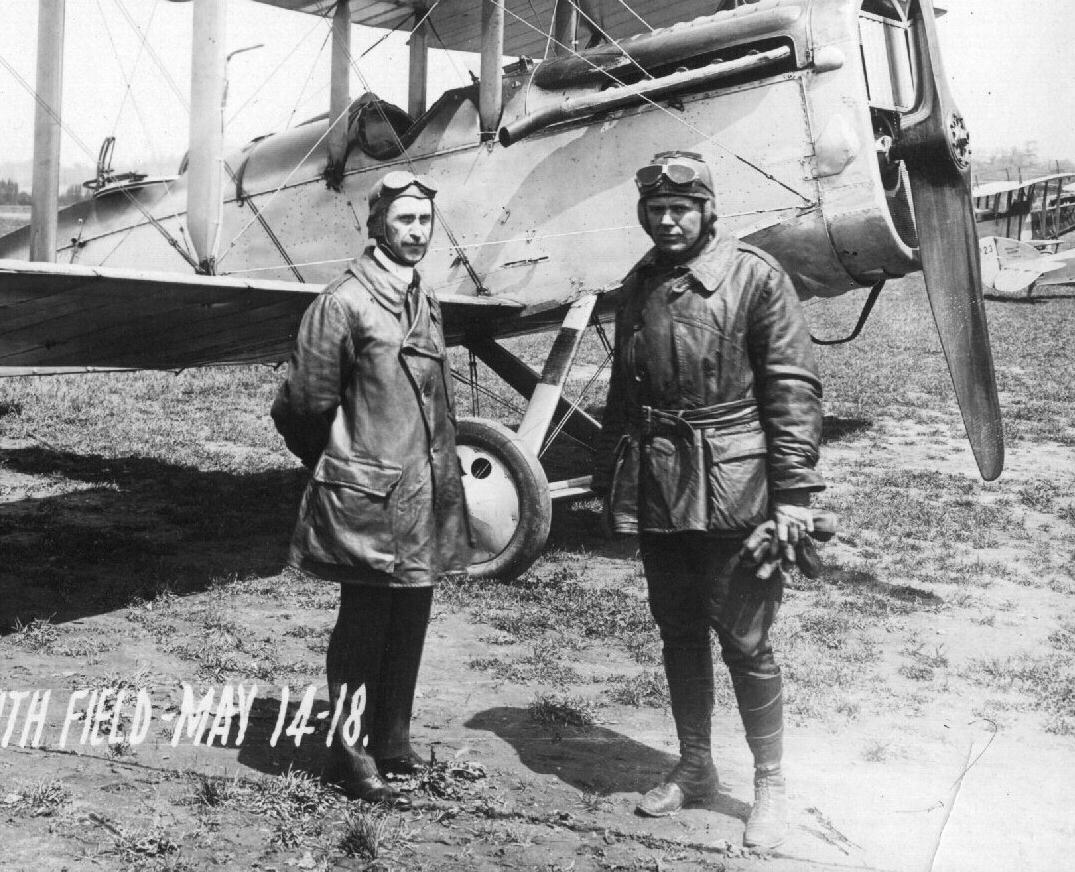
Orville Wright with Max Rinehart 0n 14 May 1918 after making his
last flight as a pilot. Orville flew a Wright Model B alongside
Rinehart's DeHavilland 4 (in background).
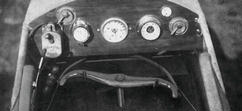
The cockpit of a 1910 German "Otto" airplane, showing the kickbar
used to control the rudder.
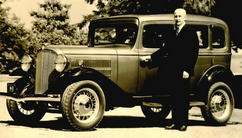
Orville beside his 1932 Hudson Essex with a "reinforced" suspension
system.
|
|
|
|